
Natural Pathways to Men's Vitality
An informational guide exploring nature-derived approaches to well-being, balanced nutrition, and holistic self-care for men after 40. Educational content only. No promises of outcomes.
Understanding Nature's Role
Throughout history, men have sought ways to maintain their vitality and energy through natural means. This section explores how various natural components support general well-being and daily living. We examine the role of botanical knowledge, balanced nutrition, and lifestyle choices in supporting overall health and resilience.
Natural wellness is not about quick fixes or miraculous solutions, but rather understanding fundamental principles of how our bodies respond to proper nutrition, movement, and mindful living. The wisdom shared here reflects centuries of traditional practices combined with contemporary nutritional science.
Learn More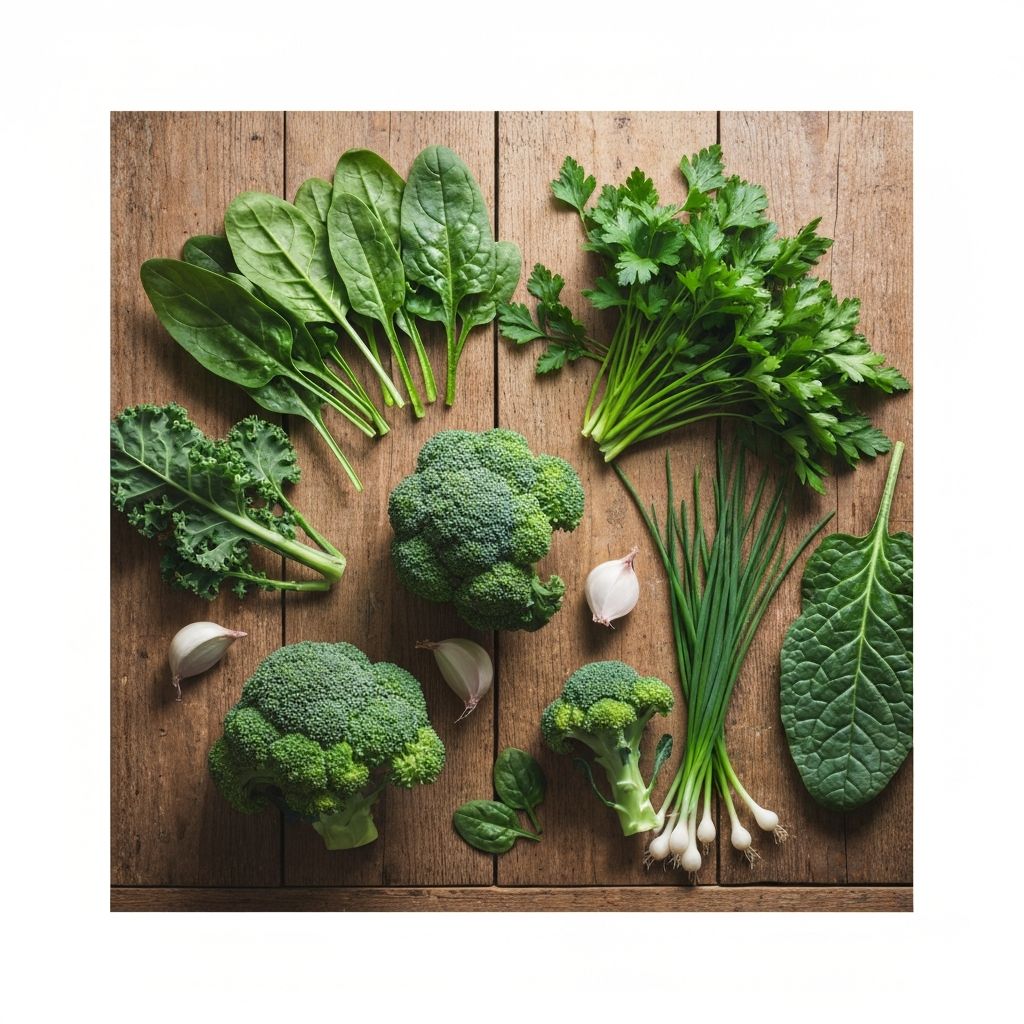
Essential Nutrients for Daily Living
A balanced diet forms the foundation of sustained energy and well-being. The following nutrients play important roles in various bodily functions and overall health maintenance:
| Nutrient | Role in the Body | Common Sources |
|---|---|---|
| Vitamin D | Supports bone health, immune function, and mood regulation | Sunlight exposure, fatty fish, egg yolks |
| Zinc | Essential for immune response, protein synthesis, and wound healing | Pumpkin seeds, legumes, beef, oysters |
| Magnesium | Supports muscle function, energy production, and nervous system health | Almonds, spinach, pumpkin seeds, whole grains |
| Selenium | Provides antioxidant protection and supports thyroid function | Brazil nuts, fish, whole grains |
| B Vitamins | Support energy metabolism, cognitive function, and nervous system health | Whole grains, leafy greens, legumes, eggs |
| Omega-3 Fatty Acids | Support cardiovascular health and cognitive function | Fatty fish, flax seeds, walnuts, chia seeds |
Herbal Allies for Balanced Living
Throughout different cultures, specific plants and botanicals have been traditionally used to support general wellness and vitality. These natural components offer various properties that can complement a balanced lifestyle:
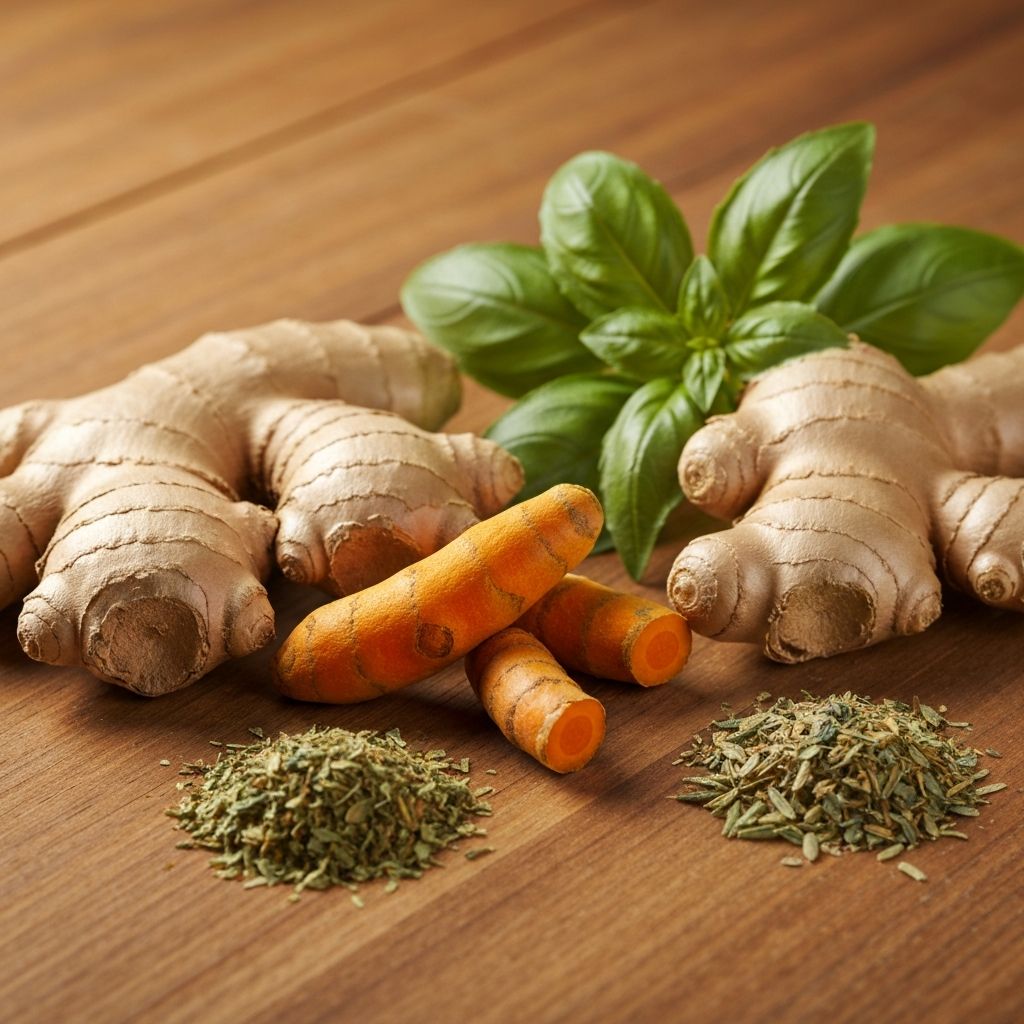
Warming Spices
Ginger, turmeric, and cinnamon are traditionally used to support circulation and provide warming properties. These botanicals have been valued in culinary and wellness traditions for their potential to support general well-being and healthy inflammatory responses.
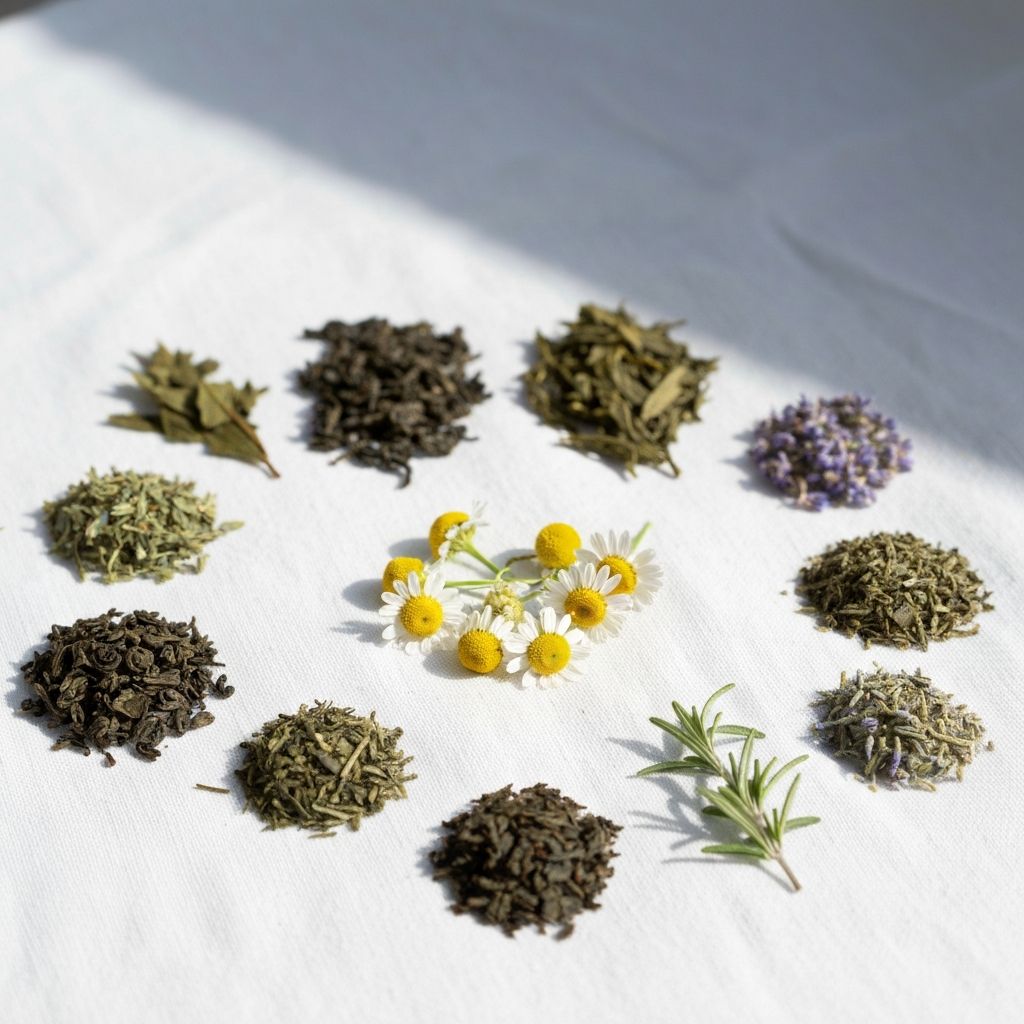
Calming Botanicals
Green tea, chamomile, and passionflower are traditionally associated with relaxation and mental clarity. These plants contain compounds that have been studied for their potential to support restful sleep and general stress management in daily life.
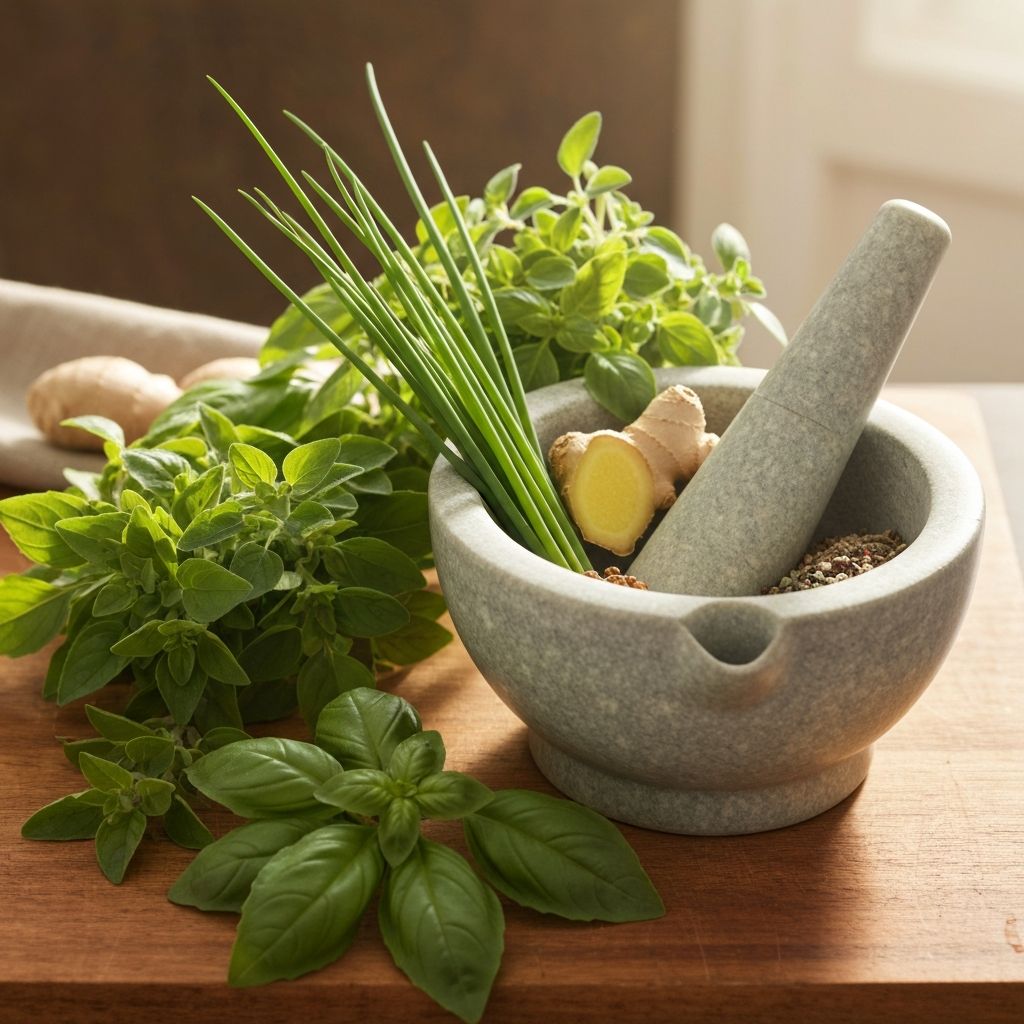
Adaptogenic Herbs
Plants like ashwagandha, ginseng, and rhodiola are traditionally classified as adaptogens. These botanicals are studied for their potential to help the body maintain balance and support energy levels during times of physical or mental demands.
The Power of Holistic Self-Care
True well-being extends beyond individual components—it encompasses a holistic approach that integrates physical health, mental clarity, and emotional balance. Holistic self-care recognizes that these aspects of health are interconnected and mutually reinforcing.
A balanced approach includes proper nutrition, regular physical activity, adequate rest, and practices that support mental and emotional wellness such as meditation, reading, or time spent in nature. When these elements work together harmoniously, they create a foundation for sustained vitality and resilience.

Lifestyle Factors and Their Impact
Beyond nutrition, several lifestyle factors significantly influence overall vitality and well-being:
Quality Sleep
Sleep is when the body repairs itself and consolidates memory. Consistent, quality sleep supports immune function, emotional regulation, and cognitive performance. Establishing regular sleep patterns and creating a restful environment are foundational practices.
Regular Physical Activity
Movement is essential for cardiovascular health, muscle maintenance, and mental well-being. Whether through walking, strength training, or flexibility work, regular physical activity supports energy levels and overall resilience.
Stress Management
Chronic stress impacts numerous bodily systems. Practices such as meditation, time in nature, creative pursuits, and social connection help maintain emotional balance and reduce the physiological impact of stress.
Hydration and Nutrition
Consistent hydration and nutrient-dense food choices form the basis of daily vitality. These simple practices have profound effects on energy levels, cognitive function, and physical resilience throughout the day.
Navigating Wellness After Forty
As men age, maintaining vitality requires attention to changing nutritional needs and lifestyle adjustments. Men after forty often benefit from increased awareness of bone health, cardiovascular maintenance, and cognitive function support.
This is not a period of decline but rather an opportunity to refine and deepen wellness practices. With maturity comes the knowledge to make conscious choices about diet, exercise, and self-care that support long-term vitality and quality of life.

Dietary Habits for Energy and Resilience
Practical dietary choices support consistent energy levels and physical resilience:
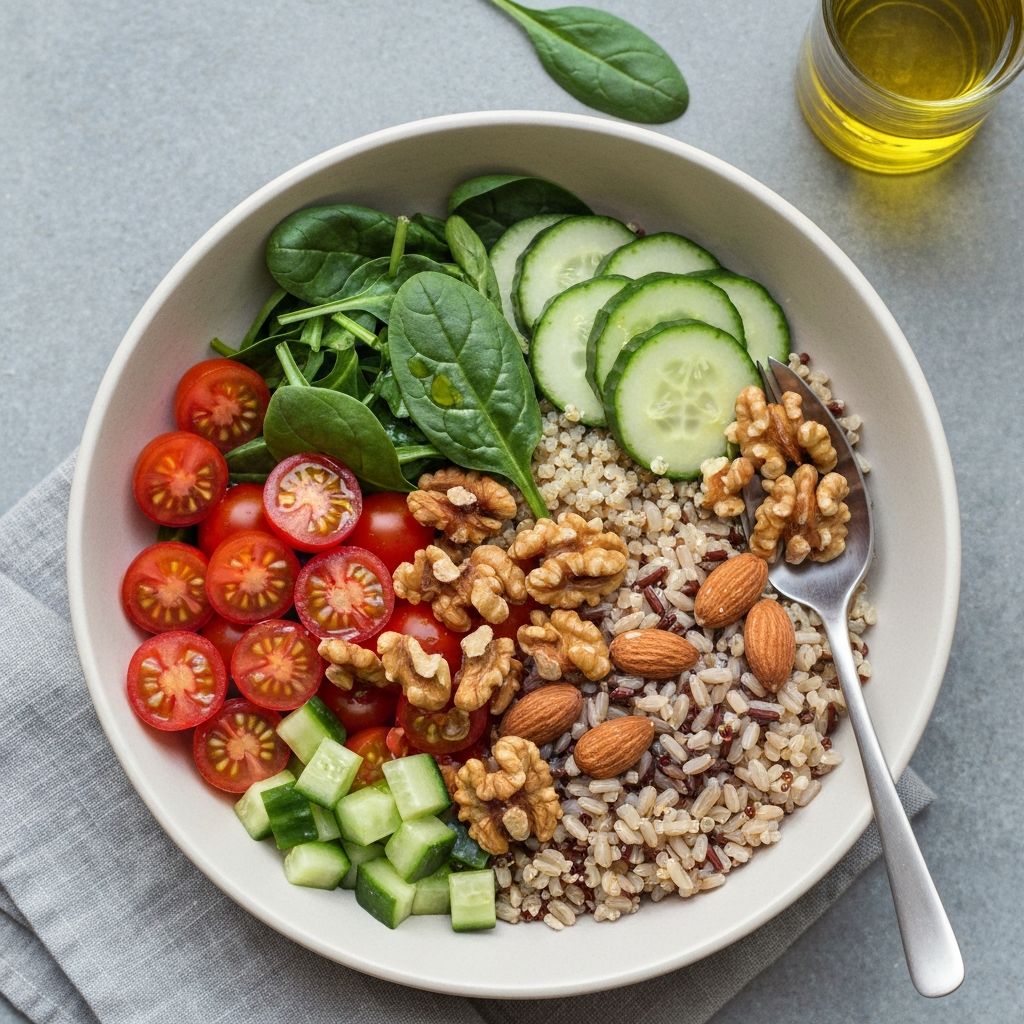
- Include colorful vegetables and fruits daily for varied micronutrients
- Incorporate whole grains for sustained energy and fiber
- Choose lean proteins to support muscle maintenance
- Include healthy fats from nuts, seeds, and fish for cognitive and cardiovascular support
- Stay hydrated throughout the day with water as the primary beverage
- Limit processed foods high in added sugars and unhealthy fats
- Practice mindful eating, paying attention to hunger and fullness cues
- Consider timing of meals to support consistent energy levels
Exploring Botanical Science
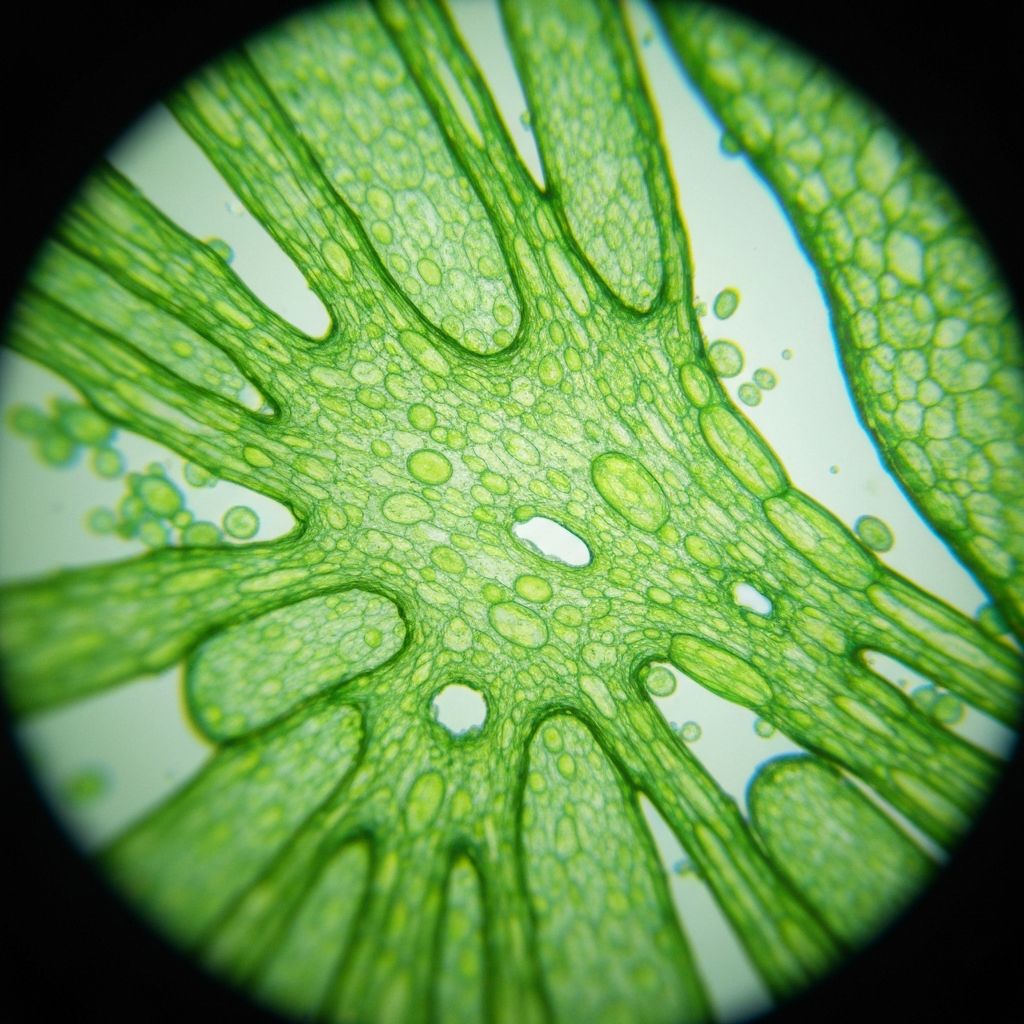
Modern science continues to explore how plant compounds interact with human physiology. Botanicals contain phytochemicals that have been studied for their potential effects on various bodily systems. This research bridges traditional plant wisdom with contemporary scientific understanding.
Understanding how herbal components work at a cellular level helps explain why certain plants have been valued across cultures and time periods. This scientific approach does not replace traditional knowledge but rather complements it, creating a comprehensive understanding of natural wellness.
Myths and Facts in Natural Health
In natural wellness discussions, it's important to distinguish between established understanding and popular misconceptions:
Myth vs. Fact: "Natural" Always Means Safe
Fact: While many natural compounds are beneficial, safety depends on proper use, appropriate dosage, and individual circumstances. Individual responses vary based on genetics, health status, and medications. Professional guidance is valuable.
Myth vs. Fact: More Is Always Better
Fact: Balance is key in nutrition and wellness. Excess of any nutrient or supplement can be counterproductive. The body operates optimally with appropriate amounts, not maximum quantities.
Myth vs. Fact: One Solution Fits All
Fact: Individual needs vary significantly based on genetics, lifestyle, health status, and personal circumstances. Personalized approaches, developed with professional guidance, are most effective.
Foundations of Active Living
Physical activity is not just about fitness—it's a fundamental component of vitality at any age. Regular movement supports cardiovascular health, maintains muscle and bone density, enhances mood, and supports cognitive function.
Active living includes varied forms of movement: cardiovascular activity, strength work, flexibility training, and everyday movement. The key is consistency and finding activities that are enjoyable and sustainable, creating a lifestyle integrated with movement rather than exercise as a separate obligation.
Historical Perspectives on Well-being
Different cultures throughout history have developed sophisticated approaches to maintaining vitality and health:
Traditional Chinese Medicine
This ancient system emphasizes balance and harmony within the body, incorporating herbal medicine, acupuncture, and movement practices like tai chi. Concepts like qi flow and yin-yang balance continue to influence wellness thinking globally.
Ayurvedic Tradition
Indian Ayurveda offers a comprehensive approach to health based on individual constitution types and seasonal adjustments. It emphasizes prevention through balanced living, dietary choices, and herbal support.
Mediterranean Lifestyle
Mediterranean cultures have long practiced balanced nutrition, social connection, and active living. The Mediterranean diet and lifestyle philosophy emphasizes whole foods, olive oil, herbs, and community—principles supported by modern nutritional science.
Explore More Topics on Quivio
Quivio serves as your informational gateway to understanding natural components, nutritional science, and holistic wellness principles. Whether you're exploring specific topics or seeking general knowledge about maintaining vitality and well-being, we provide detailed, evidence-informed content.